South-East Development Commission Budgets N2.6billion For Foreign, Local Travels As Region Suffers Collapse Of Infrastructure

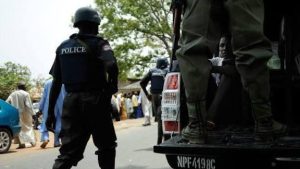
Also, ₦10.5 billion was set aside for procurement of equipment including CCTV systems, drones, control rooms and related infrastructure. Another ₦3.5 billion is budgeted for “regional security operations.”
There is growing outrage in Nigeria’s South-East over the proposed ₦140 billion 2026 budget of the South East Development Commission (SEDC), with critics accusing the commission’s leadership of prioritising summits, media campaigns, travel and administrative expenses over critical infrastructure in a region long plagued by neglect.
The controversy comes against the backdrop of persistent complaints of marginalisation and decades of infrastructure decay in Abia, Anambra, Ebonyi, Enugu and Imo states — the five states the commission was established to serve.
A review of the 2026 budget proposal by SaharaReporters shows that billions of naira have been earmarked for what analysts describe as “soft projects” and recurrent-style expenditures, while there is no clear outline of major capital projects such as highways, industrial parks, rail lines or erosion control mega-works.
Among the most controversial allocations is travel costs put at ₦1.1billion for local travel and ₦1.5 billion for international travel.
Also, ₦10.5 billion was set aside for procurement of equipment including CCTV systems, drones, control rooms and related infrastructure. Another ₦3.5 billion is budgeted for “regional security operations.”
Observers have questioned whether the commission is assuming security responsibilities traditionally handled by state governments and federal security agencies.
The budget also sets aside ₦5.5 billion for innovation hubs, ₦2 billion for legal and administrative setup, ₦2 billion for master planning and urban design, and ₦1.6 billion for technical feasibility studies.
In addition, ₦1.5 billion is allocated for financial advisory services, ₦1.5 billion for training and incubation, and ₦1 billion each for programme development and coach training.
Media-related spending is also significant. The commission proposed ₦1.3 billion for media campaigns across television, digital and print platforms; ₦480 million for public relations and advertising; and ₦535 million for branding.
Investor engagement activities are heavily funded: ₦1.3 billion for an investment summit, ₦1.3 billion for investor roadshows, ₦1 billion for stakeholder engagements, ₦550 million for summit activities, and ₦780 million for diaspora engagements.
Travel costs are equally steep, with ₦1.1 billion budgeted for local travel and ₦1.5 billion for international travel.
Administrative consumables have also raised eyebrows: ₦650 million for stationery and IT consumables, ₦320 million for refreshments, ₦500 million for advocacy and outreach, and ₦500 million for maintenance.
Training-related allocations include ₦1.7 billion for capacity building, ₦350 million for leadership certificates, ₦250 million for fellowship administration, ₦200 million for internships and ₦210 million for training and mentorship.
Financial records from 2025 indicate that ₦460million was spent on stakeholder engagements and roundtables, while ₦121 million went into investment promotion and diaspora engagement.
In the 2026 proposal, stakeholder engagement spending has jumped to ₦1 billion, while diaspora engagements have increased to ₦780 million.
The sharp rise in these line items has intensified public criticism, especially in a region where many federal roads remain in deplorable condition and gully erosion continues to devastate communities.
The South-East has for years been at the centre of national conversations about infrastructure deficits and perceived marginalisation.
Key economic corridors linking Onitsha, Aba, Enugu and other commercial hubs have suffered from prolonged deterioration. Industrial zones that once powered regional commerce have declined amid poor power supply and weak transport networks.
Many residents had hoped that the establishment of the South East Development Commission would mark a turning point — with visible investments in highways, bridges, erosion control systems, rail connectivity and industrial revitalisation.
Instead, critics say the 2026 budget appears dominated by conferences, planning documents, advisory contracts and branding exercises rather than brick-and-mortar development.