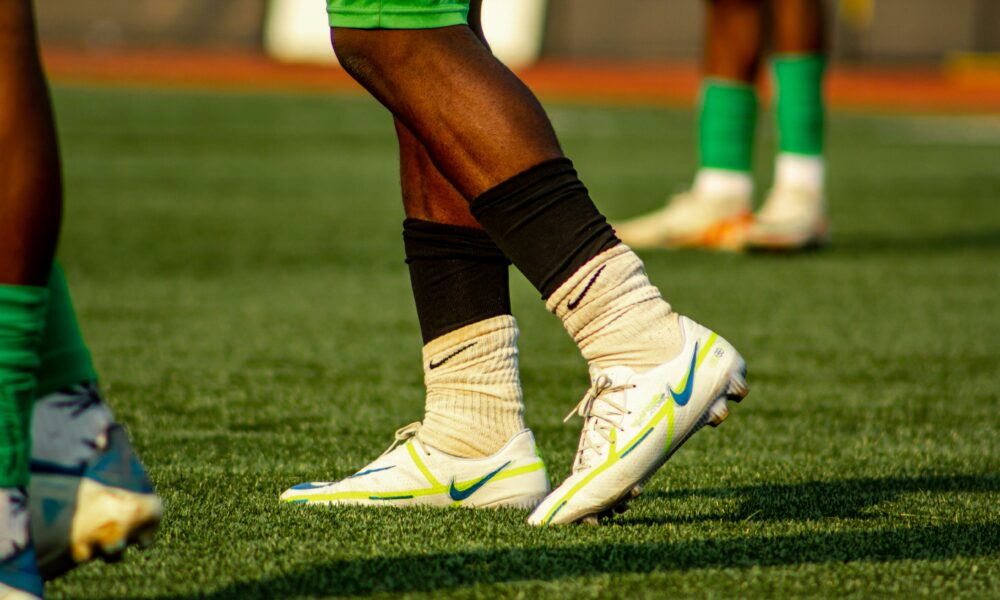
AFCON and the Price of Being an African Footballer in Europe

When Manchester United were rumoured to be signing Bryan Mbuemo from Brentford Football Club in 2025, United fans, despite how good Bryan is, were sceptical about his availability throughout the season. He’s an African player representing Cameroon and would participate in the African Cup of Nations tournaments, which happen in the middle of club seasons. At Brentford, Bryan had over 20 goals and assists in the previous season, which motivated Manchester United to eventually sign the Cameroonian. But because he is an African player, fans were not entirely happy with his signing because they felt his position in the team would be left unfilled at a point in the season.
That narrative is common with African players playing in Europe. Due to the AFCON tournament, which many African players take pride in because it is an honour to represent their country, a lot of clubs shift focus away from signing the players, no matter how good they are. Kenya’s national team coach and former Manchester United assistant coach, Benni McCarthy, said Manchester United struck Victor Osimhen‘s name out during the scouting process due to AFCON. He said his investment was considered “not worth it” because no one spends 100 million pounds on a player and loses him to AFCON.
Even though European clubs sign non-African players who also contest in the Euros and the World Cup, the difference is that club football is usually paused during international tournaments, except for AFCON. We should start by asking: Why is AFCON happening in the middle of club football, which also makes clubs lose players to injuries?
Players’ performances at international tournaments also influence how their overall seasons are evaluated. When Lionel Messi was awarded his sixth Ballon d’Or in 2023, it was largely due to his performance at the World Cup. When Lamine Yamal was also tipped to win the Ballon d’Or in 2025, his performance at the Euros was one of the stats that boosted his numbers. However, African players’ performances at AFCON are often swept under the radar because they happen in the middle of club season, where, almost at the end of the season, it has been forgotten.
In 2025, pundit and former Liverpool player Jamie Carragher said AFCON was not a “major tournament” when discussing Mohamed Salah‘s chances of winning the Ballon d’Or. He mentioned that if Salah had an average season at Liverpool but a great AFCON tournament, that wouldn’t increase his chances of winning the Ballon d’Or. However, if another player, say Jude Bellingham, had an average season at Real Madrid but a great Euros tournament, he could be tipped for the Ballon d’Or. While his comment was met with backlash, there was some iota of truth in there. AFCON is a major tournament that means a lot to Africans, but is it a great tournament in world football?
There are many reasons AFCON is not considered a major tournament. Some of them are structural, others reputational. The competition has struggled with irregular scheduling over the years and formats in ways that make it difficult to build the kind of consistency and global anticipation that tournaments like the Euros or the World Cup enjoy. There are also persistent concerns about officiating and organisation—controversial refereeing decisions, logistical issues, and moments that, fairly or unfairly, feed into a perception of disorder. More recently, incidents such as the confusion surrounding Morocco’s declaration as the winner of the previous tournament only deepen that doubt and raise questions about credibility. It was a field day for Jamie Carragher when the announcement was made, two months after the tournament had ended.
None of this takes away from the pride, talent and emotional weight AFCON carries for African players and fans. But in a global football ecosystem that is as much about perception as performance, these recurring issues continue to undermine how seriously the tournament is regarded beyond the continent. And they hinder how African footballers are regarded in Europe.
For AFCON to command the same level of respect as other major tournaments, reform has to happen. A more consistent and globally aligned calendar would immediately change how clubs, fans, and the wider football ecosystem engage with it. African football cannot rely solely on external validation to define its worth. Media, federation, and stakeholders on the continent must take greater control of how AFCON is presented. Performances at AFCON should not disappear into the background of club football.
***
Featured Image by Victor Chijioke for Pexels.